Category: Luxembourg

  • Human Rights have no borders

    Human Rights have no borders

    Human rights serve as the unshakable foundation of a just and fair society, safeguarding the inherent value and dignity of every individual human. These fundamental rights transcend borders and contexts.

    They represent ‘assured freedoms’, not bestowed upon us by nature, but meticulously defined by the laws and rules we’ve collectively fought for and championed. To defend human rights is to recognize their fragility, acknowledging that they are not automatic features of our existence. Instead, they are guaranteed by our collective commitment to protect and uphold them. It’s a shared responsibility that extends beyond individual interests and national boundaries.

    The phrase ‘assured freedoms’ encapsulates the essence of human rights – freedoms we’ve not stumbled upon but have actively secured through concerted efforts. The assurance of these rights depends on our dedication to defend and uphold them.

    Failure to safeguard these rights constitutes a collective forfeiture, putting at risk the hard-earned fabric of justice and equality. The price of silence or indifference is the erosion of the very principles that have been woven into the societal tapestry through painstaking struggles and relentless advocacy.

    The defense of human rights is not merely a duty; it is a collective responsibility that binds us together in the pursuit of a world where dignity, justice, and equality prevail.

  • Luxembourg’s Old-Age Dependency Ratio

    Luxembourg’s Old-Age Dependency Ratio

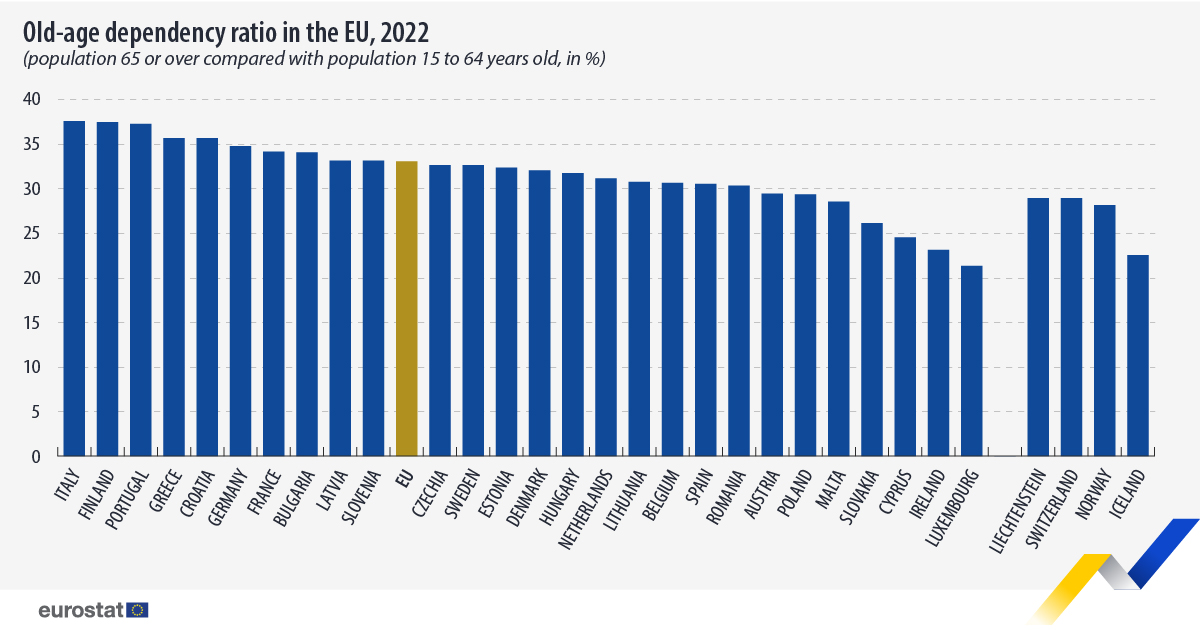
    Luxembourg, is modestly redefining the demographic narrative within the EU. The reason is clear and precise: its old-age dependency ratio is the envy of our neighbors, and it all boils down to a strategic influx of a young, tax-paying, (and mostly European) workforce.

    This isn’t a stroke of luck; it’s policy at its most pragmatic. Luxembourg has cracked the code by actively courting a diverse pool of skilled workers, predominantly from within Europe. Unlike many EU nations grappling with an aging population, Luxembourg has managed to sustain a robust balance between its elderly and working-age citizens.

    The secret lies in the numbers: a workforce that not only contributes to the nation’s economic prosperity but also ensures a manageable burden on its social support systems. In Luxembourg, the elderly aren’t an impending crisis; they’re a population well-supported by the vibrant and tax-generating younger demographic.

    As we gear up for the EU elections in June 2024, Luxembourg’s success story holds crucial lessons. It’s not just about economic growth; it’s about ensuring that the backbone of this success, the young and tax-paying workforce, actively participates in shaping the future of the European Union.

    The call to action is clear: this demographic segment, largely responsible for Luxembourg’s enviable old-age dependency ratio, must not be sidelined in the democratic process. Their voices, their concerns, and their votes need to reverberate in the upcoming elections. The very demographic that has propelled Luxembourg to its unique position is the key to navigating the challenges of an aging population across the EU.

    Ahead of June 2024, register to vote for the European elections in Luxembourg on June 9, and then as we step into the polling booths, let’s not forget the lesson from our country: a thriving, engaged, and diverse workforce is not just an economic asset; it’s the linchpin of a sustainable demographic future for the European Union.

  • More Democracy for Young People

    More Democracy for Young People

    As someone deeply rooted in the fabric of European culture and governance, the initiative of MOREin24 Luxembourg strikes a resounding chord within me.

    Growing up surrounded by the intricate workings of European institutions, having had the privilege of witnessing the functioning of the EU from a very young age, I am elated to share my experience and support this groundbreaking effort aimed at encouraging wider participation in the forthcoming EU Elections of 2024 from young people across Luxembourg.

    The event on November 15th, at Melia Luxembourg, organised in collaboration with Change for Luxembourg, promises to be connect young changemakers. Short, inspiring talks in under 15 minutes will be coupled with invaluable insights, fostering an environment conducive to exchanging ideas and perspectives among attendees.

    MOREin24 Luxembourg represents a movement dedicated to bridging the gap between Luxembourg’s youth and critical topics such as youth engagement, voter participation, and the European Union.

    Supported by the European Parliament and spearheaded by the European Youth Card Association (EYCA), the initiative aims to evoke a tidal wave of change, instigating a call to action among young citizens and residents. It strives to embolden them to embrace their inherent right to engage in the democratic process.

    The heart of MOREin24 Luxembourg lies in its mission to ensure that the voice of every member of society resonates in the upcoming EU Elections in Luxembourg.

    This launch marks a pivotal moment in empowering our diverse communities in Luxembourg to drive change.

    I invite you to join us in championing active engagement in the EU Elections 2024. Let us collectively ensure that every voice is heard and every citizen feels empowered to shape the destiny of our shared European landscape.

    Together, we can ignite a movement that reverberates far beyond the ballot box, propelling change and progress across our continent.

  • Europe’s Shift to Renewables & Energy Independence

    Europe’s Shift to Renewables & Energy Independence

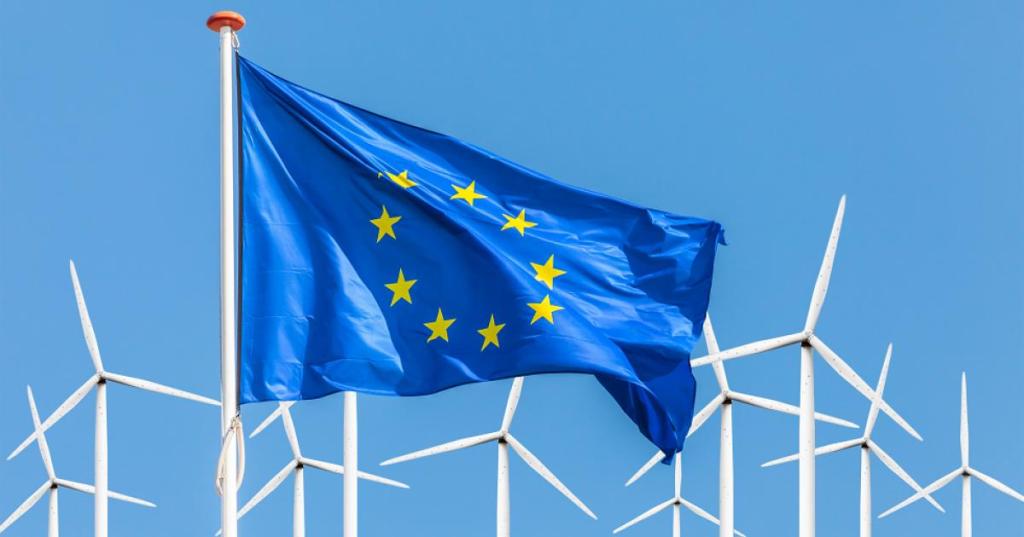
    The drive towards renewable energy sources is not just a climate imperative but also a strategic move for Europe’s energy independence. The transition to renewables is pivotal in liberating Europe from traditional energy dependencies and securing its self-reliance in the energy sector. This shift marks a crucial step towards reshaping the continent’s energy landscape, bolstering its autonomy, and ensuring a more stable, sustainable future.

    Embracing sustainable energy options enables Europe to balance the climate crisis and curtail its dependence on non-renewable fossil fuels, minimizing vulnerability to fluctuating global energy markets and geopolitical tensions. The abundance and predictability of these renewable sources offer Europe a path towards greater energy autonomy and environmental resilience.

    Solar energy, with its vast potential and accessibility across Europe, stands as a key in this shift towards independence. The harnessing of solar power not only mitigates the environmental impact but also decentralizes energy production, empowering communities and nations to generate their electricity. This transition fosters a more self-reliant energy infrastructure, reducing Europe’s susceptibility to disruptions in the global energy supply chain.

    Wind energy, is another significant component of Europe’s journey towards energy independence, and continues to offer immense promise. Its harnessing across the continent’s coastal and open spaces provides a diversified energy portfolio, lessening dependence on imported energy. Wind power’s fairly consistent availability and technological advancements can drive Europe closer to self-sufficiency, contributing to a more secure and stable energy future.

    Hydro power, a proven, and reliable renewable energy source, further underlines Europe’s quest for autonomy. Investment in innovative hydroelectric technologies amplifies Europe’s energy independence, and can help ensure a more self-reliant power supply.

    This strategic shift towards renewable energy is further amplified by the imperative to bolster energy efficiency measures. Enhancing efficiency across industries and buildings is pivotal in reducing energy waste, optimizing consumption, and ensuring Europe’s energy self-sufficiency. By investing in energy-efficient technologies and sustainable practices, Europe should and will fortifiy its energy independence, reduce reliance on external energy sources and fortify its energy resilience.

    For a self-sufficient, stable, and sustainable energy future for Europe.

  • Thoughts on Israel and Gaza by Barack Obama

    Thoughts on Israel and Gaza by Barack Obama

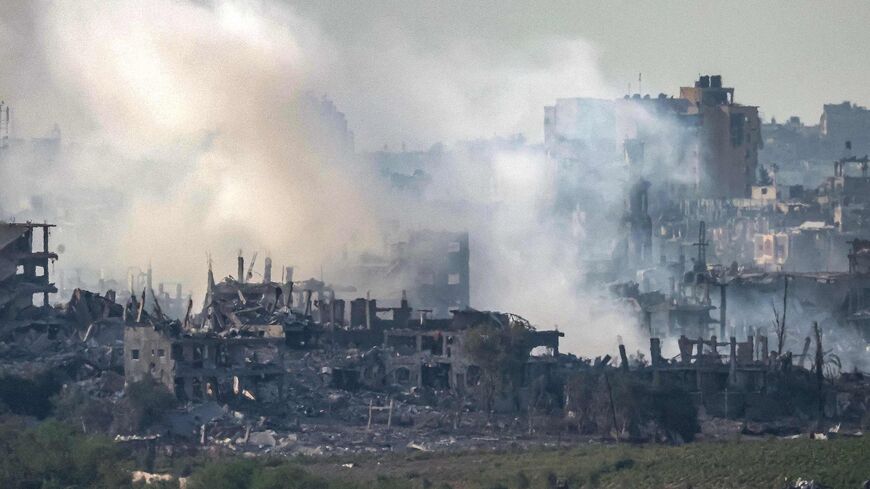
    It’s been 17 days since Hamas launched its horrific attack against Israel, killing over 1,400 Israeli citizens, including defenseless women, children and the elderly. In the aftermath of such unspeakable brutality, the U.S. government and the American people have shared in the grief of families, prayed for the return of loved ones, and rightly declared solidarity with the Israeli people.

    As I stated in an earlier post, Israel has a right to defend its citizens against such wanton violence, and I fully support President Biden’s call for the United States to support our long-time ally in going after Hamas, dismantling its military capabilities, and facilitating the safe return of hundreds of hostages to their families.

    But even as we support Israel, we should also be clear that how Israel prosecutes this fight against Hamas matters. In particular, it matters — as President Biden has repeatedly emphasized — that Israel’s military strategy abides by international law, including those laws that seek to avoid, to every extent possible, the death or suffering of civilian populations. Upholding these values is important for its own sake — because it is morally just and reflects our belief in the inherent value of every human life. Upholding these values is also vital for building alliances and shaping international opinion — all of which are critical for Israel’s long-term security.

    Read the former US President’s entire post on Medium.com

    Here are links to some useful perspectives and background on the conflict, compiled by Barack Obama:

    Israel Is About to Make a Terrible Mistake by Thomas L. Friedman

    ● ‘I Love You. I Am Sorry’: One Jew, One Muslim and a Friendship Tested by War by Kurt Streeter

     A Timeline of Israel and Palestine’s Complicated History by Nicole Narea

    ● Gaza: The Cost of Escalation by Ben Rhodes

  • Europe’s Global Agency after Brexit

    Europe’s Global Agency after Brexit

    In the aftermath of Brexit and the impending first EU elections post the UK’s departure, the European Union faces a critical juncture, demanding a collective reevaluation and reinvigoration of its purpose and influence on the world stage.

    The urgency for unity and coherence within the EU has never been more pressing. As the EU endeavors to exert its influence in global forums such as the G7 and G20, it must organize, consolidate, and fortify its collective strength. Moreover, Luxembourg, as a founding member and the EU capital, possess a unique opportunity to drive this collective effort forward, particularly by engaging and empowering more Europeans to partake in the political process.

    The EU stands at a pivotal moment where it must redefine and solidify its purpose and stance in a world witnessing seismic geopolitical shifts. As the world evolves, challenges mount, and global power dynamics shift, it is imperative for the EU to consolidate its voice, stand as a unified force, and independently advocate for its collective interests.

    The EU, with its combined economic power, cultural diversity, and commitment to democratic principles, possesses the potential to influence global policy and shape international discourse. However, this potential remains under-realized due to internal fragmentation and a lack of cohesive action. The time has come for the EU to synchronize its policies, pool its resources, and assert its united front on the world stage.

    Encouraging greater participation and voter registration among European citizens in Luxembourg is instrumental in fortifying the EU’s democratic foundation. As Luxembourg gears up for EU elections, there exists a prime opportunity to enhance voter engagement, emphasizing the significance of the EU and its impact on the lives of its citizens.

    Support for the DP and Renew Europe in Luxembourg will a step towards a more inclusive, progressive, and integrated Europe. By uniting behind a common vision, Luxembourg and other member states can drive the EU towards a future marked by increased agency and a more decisive role in global affairs. A more coordinated and assertive European Union is not only advantageous for its members but is crucial in navigating the challenges of the 21st century, including climate change, economic resilience, and security concerns.

    The time is now, and Luxembourg stands at the forefront of this pivotal movement.