
Category: Politics

  • More Democracy for Young People

    More Democracy for Young People

    As someone deeply rooted in the fabric of European culture and governance, the initiative of MOREin24 Luxembourg strikes a resounding chord within me.

    Growing up surrounded by the intricate workings of European institutions, having had the privilege of witnessing the functioning of the EU from a very young age, I am elated to share my experience and support this groundbreaking effort aimed at encouraging wider participation in the forthcoming EU Elections of 2024 from young people across Luxembourg.

    The event on November 15th, at Melia Luxembourg, organised in collaboration with Change for Luxembourg, promises to be connect young changemakers. Short, inspiring talks in under 15 minutes will be coupled with invaluable insights, fostering an environment conducive to exchanging ideas and perspectives among attendees.

    MOREin24 Luxembourg represents a movement dedicated to bridging the gap between Luxembourg’s youth and critical topics such as youth engagement, voter participation, and the European Union.

    Supported by the European Parliament and spearheaded by the European Youth Card Association (EYCA), the initiative aims to evoke a tidal wave of change, instigating a call to action among young citizens and residents. It strives to embolden them to embrace their inherent right to engage in the democratic process.

    The heart of MOREin24 Luxembourg lies in its mission to ensure that the voice of every member of society resonates in the upcoming EU Elections in Luxembourg.

    This launch marks a pivotal moment in empowering our diverse communities in Luxembourg to drive change.

    I invite you to join us in championing active engagement in the EU Elections 2024. Let us collectively ensure that every voice is heard and every citizen feels empowered to shape the destiny of our shared European landscape.

    Together, we can ignite a movement that reverberates far beyond the ballot box, propelling change and progress across our continent.
  • Europe’s Shift to Renewables & Energy Independence

    Europe’s Shift to Renewables & Energy Independence

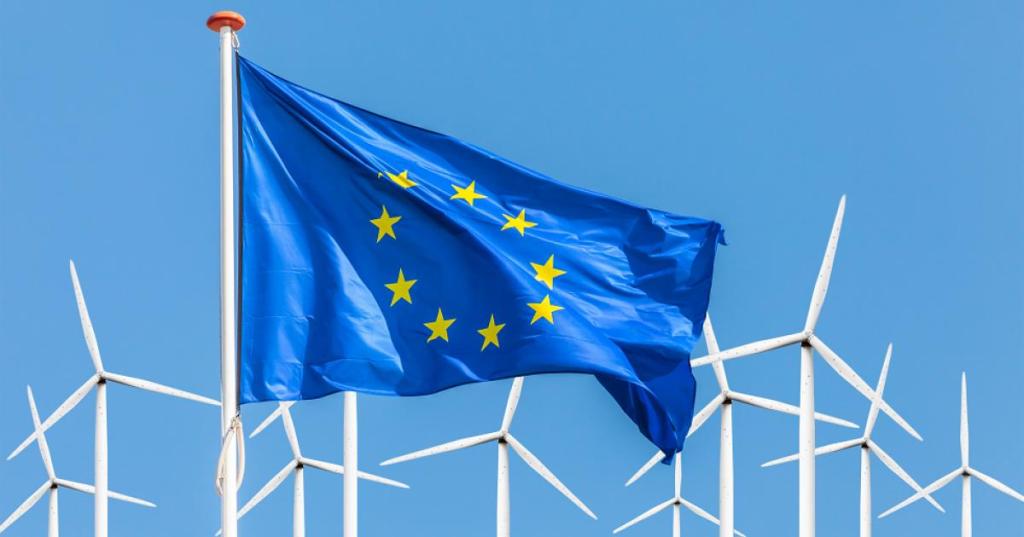
    The drive towards renewable energy sources is not just a climate imperative but also a strategic move for Europe’s energy independence. The transition to renewables is pivotal in liberating Europe from traditional energy dependencies and securing its self-reliance in the energy sector. This shift marks a crucial step towards reshaping the continent’s energy landscape, bolstering its autonomy, and ensuring a more stable, sustainable future.

    Embracing sustainable energy options enables Europe to balance the climate crisis and curtail its dependence on non-renewable fossil fuels, minimizing vulnerability to fluctuating global energy markets and geopolitical tensions. The abundance and predictability of these renewable sources offer Europe a path towards greater energy autonomy and environmental resilience.

    Solar energy, with its vast potential and accessibility across Europe, stands as a key in this shift towards independence. The harnessing of solar power not only mitigates the environmental impact but also decentralizes energy production, empowering communities and nations to generate their electricity. This transition fosters a more self-reliant energy infrastructure, reducing Europe’s susceptibility to disruptions in the global energy supply chain.

    Wind energy, is another significant component of Europe’s journey towards energy independence, and continues to offer immense promise. Its harnessing across the continent’s coastal and open spaces provides a diversified energy portfolio, lessening dependence on imported energy. Wind power’s fairly consistent availability and technological advancements can drive Europe closer to self-sufficiency, contributing to a more secure and stable energy future.

    Hydro power, a proven, and reliable renewable energy source, further underlines Europe’s quest for autonomy. Investment in innovative hydroelectric technologies amplifies Europe’s energy independence, and can help ensure a more self-reliant power supply.

    This strategic shift towards renewable energy is further amplified by the imperative to bolster energy efficiency measures. Enhancing efficiency across industries and buildings is pivotal in reducing energy waste, optimizing consumption, and ensuring Europe’s energy self-sufficiency. By investing in energy-efficient technologies and sustainable practices, Europe should and will fortifiy its energy independence, reduce reliance on external energy sources and fortify its energy resilience.

    For a self-sufficient, stable, and sustainable energy future for Europe.

  • Thoughts on Israel and Gaza by Barack Obama

    Thoughts on Israel and Gaza by Barack Obama

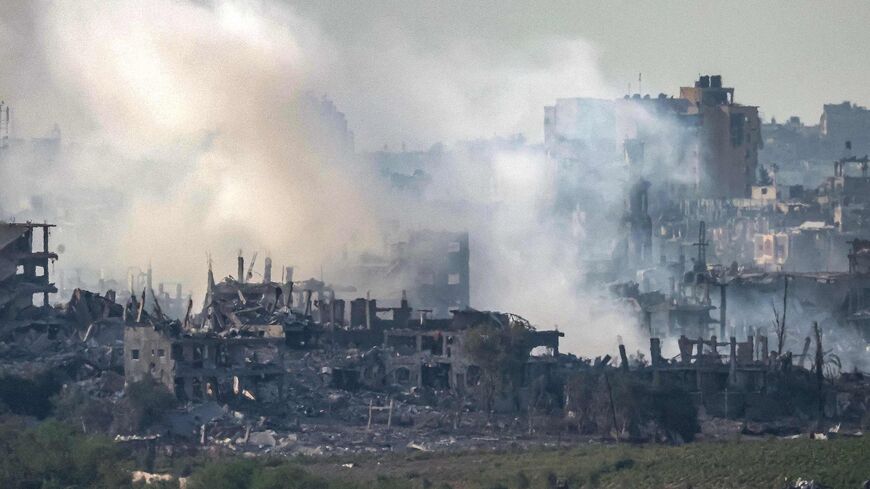
    It’s been 17 days since Hamas launched its horrific attack against Israel, killing over 1,400 Israeli citizens, including defenseless women, children and the elderly. In the aftermath of such unspeakable brutality, the U.S. government and the American people have shared in the grief of families, prayed for the return of loved ones, and rightly declared solidarity with the Israeli people.

    As I stated in an earlier post, Israel has a right to defend its citizens against such wanton violence, and I fully support President Biden’s call for the United States to support our long-time ally in going after Hamas, dismantling its military capabilities, and facilitating the safe return of hundreds of hostages to their families.

    But even as we support Israel, we should also be clear that how Israel prosecutes this fight against Hamas matters. In particular, it matters — as President Biden has repeatedly emphasized — that Israel’s military strategy abides by international law, including those laws that seek to avoid, to every extent possible, the death or suffering of civilian populations. Upholding these values is important for its own sake — because it is morally just and reflects our belief in the inherent value of every human life. Upholding these values is also vital for building alliances and shaping international opinion — all of which are critical for Israel’s long-term security.

    Read the former US President’s entire post on Medium.com

    Here are links to some useful perspectives and background on the conflict, compiled by Barack Obama:

    Israel Is About to Make a Terrible Mistake by Thomas L. Friedman

    ● ‘I Love You. I Am Sorry’: One Jew, One Muslim and a Friendship Tested by War by Kurt Streeter

     A Timeline of Israel and Palestine’s Complicated History by Nicole Narea

    ● Gaza: The Cost of Escalation by Ben Rhodes

  • Europe’s Global Agency after Brexit

    Europe’s Global Agency after Brexit

    In the aftermath of Brexit and the impending first EU elections post the UK’s departure, the European Union faces a critical juncture, demanding a collective reevaluation and reinvigoration of its purpose and influence on the world stage.

    The urgency for unity and coherence within the EU has never been more pressing. As the EU endeavors to exert its influence in global forums such as the G7 and G20, it must organize, consolidate, and fortify its collective strength. Moreover, Luxembourg, as a founding member and the EU capital, possess a unique opportunity to drive this collective effort forward, particularly by engaging and empowering more Europeans to partake in the political process.

    The EU stands at a pivotal moment where it must redefine and solidify its purpose and stance in a world witnessing seismic geopolitical shifts. As the world evolves, challenges mount, and global power dynamics shift, it is imperative for the EU to consolidate its voice, stand as a unified force, and independently advocate for its collective interests.

    The EU, with its combined economic power, cultural diversity, and commitment to democratic principles, possesses the potential to influence global policy and shape international discourse. However, this potential remains under-realized due to internal fragmentation and a lack of cohesive action. The time has come for the EU to synchronize its policies, pool its resources, and assert its united front on the world stage.

    Encouraging greater participation and voter registration among European citizens in Luxembourg is instrumental in fortifying the EU’s democratic foundation. As Luxembourg gears up for EU elections, there exists a prime opportunity to enhance voter engagement, emphasizing the significance of the EU and its impact on the lives of its citizens.

    Support for the DP and Renew Europe in Luxembourg will a step towards a more inclusive, progressive, and integrated Europe. By uniting behind a common vision, Luxembourg and other member states can drive the EU towards a future marked by increased agency and a more decisive role in global affairs. A more coordinated and assertive European Union is not only advantageous for its members but is crucial in navigating the challenges of the 21st century, including climate change, economic resilience, and security concerns.

    The time is now, and Luxembourg stands at the forefront of this pivotal movement.

  • A New Era for Politics: Starting from the Grassroots

    A New Era for Politics: Starting from the Grassroots

    Society should never be taken for granted. Across Europe, citizens are growing increasingly discontented, rejecting passivity, and demanding more from their leaders.

    The time has come for a transformation in European politics, one that begins at the grassroots level. The traditional “funnel” approach of party politics, which often rewards long-time members while neglecting society, needs a profound overhaul. This need for change is not unique to any one country; even in Luxembourg, similar concerns resonate.

    Arrogance in politics has become a significant concern for the public. Politicians who fail to listen to their constituents and prioritize their own egos over the needs of the people are being met with growing resistance. The electorate is no longer willing to tolerate the politics-as-usual approach that often reeked of complacency and entitlement.

    A notable shift is underway in the realm of European politics. The old routine has been disrupted over the past decade, signaling a need for new inspiration. Citizens are growing more engaged and interested in politics, seeking genuine change and accountability from their leaders. This surge in political interest is a reflection of society’s evolving values and expectations.

    To bridge the growing gap between traditional party politics and the changing society they aim to serve, a fundamental shift is necessary. Parties must adapt to these new realities and create an inclusive political environment. The parties themselves must become platforms for fresh voices and ideas.

    European politics, starting at the grassroots level, must embrace change. Parties need to facilitate increased citizen participation and actively seek out diverse perspectives. Society should never be taken for granted, and the political landscape must evolve to reflect the aspirations and demands of the people.

    In Luxembourg, as in other European nations, the call for change is echoing louder with each election. The time has come for a politics that is more responsive, inclusive, and humble. To restore trust and relevance in the eyes of the public, parties must adapt and recognize that the real power lies with the people.

    A new era of European politics is on the horizon, and it begins with a change in mindset at the grassroots level.

  • And the Case for EU Defense?

    And the Case for EU Defense?

    As we look back at the tumultuous events of the past two decades, it’s impossible to ignore the seismic shifts in global geopolitics. Georgia, Syria, Ukraine, Israel: all these recent and current conflicts serve as stark reminders that our world order is fraying at the seams.

    The violations of longstanding norms of international law by a permanent member of the UN Security Council have released a Pandora’s box of warlike tendencies. War is no longer mostly confined to history books; it is reemerging as the ultimate arbiter, underlining the law of force as the new rule.

    This growing instability isn’t merely a distant menace but is inexorably creeping towards Europe. The pressing question now is whether the EU can muster the strength needed to make its diplomatic efforts truly effective, and work towards European Defense.

    The European Union must now grapple with the reality of power. This means crafting mechanisms within its member states to ensure the integrity of our political model, safeguard our interests, and support our allies.

    To gain the respect of increasingly emboldened global actors, Europe cannot shy away from the military dimension. The need for a strong defense is evident. We’ve got to aspire to be more self-reliant.

    At the moment, we seek reassurance in grand alliances and issue calls for restraint to international actors who are boldly disregarding them. The challenge before us is clear: will Europe seize the moment to secure its future in a rapidly evolving world?