Category: Uncategorized

  • Will We Choose Unity or Fragmentation?

    Will We Choose Unity or Fragmentation?

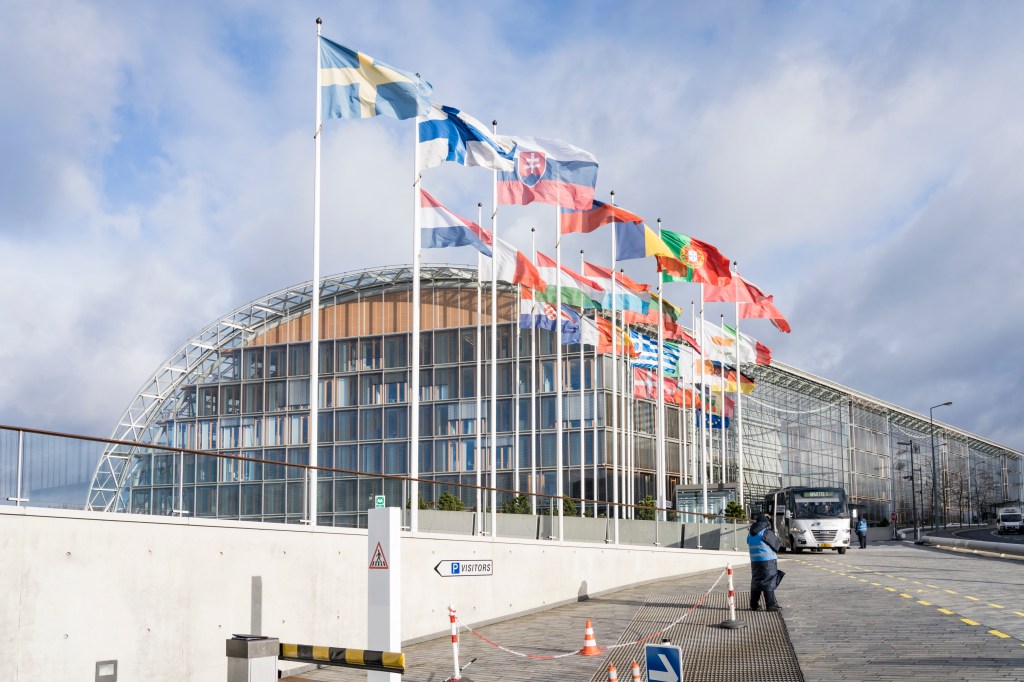
    The very foundation of our shared project, the European Union, faces unprecedented challenges.

    From the east, the shadow of war looms large. Our internal unity is strained by economic disparities and cultural differences. Populist movements whisper siren songs of nationalism, tempting us with the illusion of a simpler past.

    But let’s be clear: the past is not a country we can return to. It’s a quaint postcard, sure, but its sepia-toned streets hold no answers for the complexities of the 21st century. The challenges we face demand not isolation, but collective action, shared responsibility, and yes, unity.

    Think of the EU as a grand tapestry, woven from threads of diverse cultures, languages, and histories. Each strand is beautiful in its own right, but it’s their intricate intertwining that creates the masterpiece. Imagine what happens if we start pulling at those threads, unraveling the fabric of our union. The result wouldn’t be a return to individual glory, but a descent into a fragmented continent, vulnerable to external forces and internal strife.

    This is not just about economics or security, though both are crucial. It’s about the very soul of Europe, its commitment to democracy, human rights, and the peaceful resolution of conflict. These values, hard-won through centuries of struggle, are not luxuries to be discarded in times of hardship. They are the beating heart of our shared identity, the foundation upon which we must build our future.

    So, what is to be done? The answer is simple, yet demanding: we must recommit to the project of European unity. This doesn’t mean blind uniformity, but rather a celebration of our diversity within a framework of shared goals and values.

    We need to bridge the economic divides that fuel resentment and populism. We need to strengthen our common defenses in the face of external threats. But most importantly, we need to reignite the flame of hope and possibility that drew us together in the first place.

    This won’t be easy. It will require compromise, sacrifice, and a renewed faith in the power of cooperation. But the alternative – a fractured, inward-looking Europe – is unthinkable.

    The future of Europe is not predetermined. It is in our hands. Will we choose unity or fragmentation? The choice is ours, and the time to act is now.

    Let’s show the world what a united Europe can achieve. Let’s make our tapestry stronger, more vibrant, and more beautiful than ever before.

    Together,

    Christos Floros

  • Luxembourg’s Social Elections: Your Voice Matters

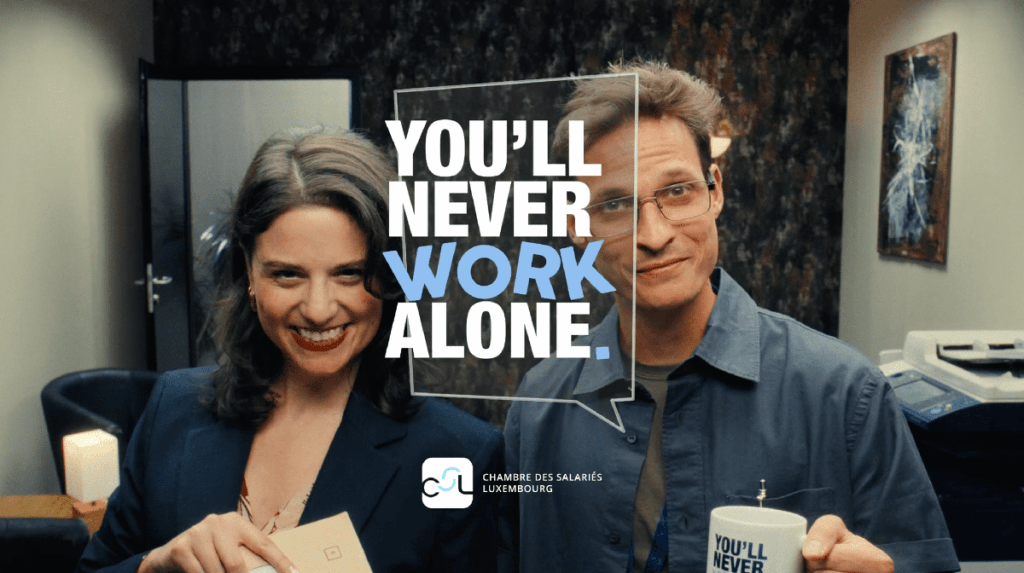
    Luxembourg’s Social Elections: Your Voice Matters

    Over 600,000 individuals work, retire, learn, and seek employment in Luxembourg.

    Every five years, the Social Elections are a unique opportunity for employees, retirees, and job seekers to shape the course of their representation at both the company and national levels.

    The social elections are a chance for you to actively participate in the decisions that impact your daily life.

    Why should you participate in the Social Elections?

    • Protect Your Purchasing Power:
      • Your vote influences the CSL’s advocacy for policies that safeguard your economic interests and maintain your purchasing power. By actively engaging in the Social Elections, you contribute to the resilience of your financial well-being.
    • Secure Your Retirement:
      • Concerned about your future? Your participation in the elections empowers the CSL to address retirement-related issues, ensuring that your concerns about the golden years are acknowledged and addressed.
    • Be Informed about Your Rights:
      • Knowledge is power. By voting, you express your desire to stay informed about your rights in the workplace, contributing to a system where transparency and awareness prevail.

    Who can participate?

    The answer is simple: Everyone (almost). In March 2024, whether you are a working professional, retiree, apprentice, or job seeker, regardless of your nationality or residence, you have the right to partake in the largest election in Luxembourg.

    The Social Elections are a collective opportunity to shape the narrative of Luxembourg’s workforce and society.

    Your voice matters, your concerns deserve attention, and your active participation ensures that the CSL continues to be a steadfast advocate for your well-being.

    Let’s make our voices heard in these elections too and contribute to a Luxembourg that reflects the aspirations of its diverse and dynamic population.

  • 12-Years of Speaking Up for Luxembourg’s Democracy and our European Union

    12-Years of Speaking Up for Luxembourg’s Democracy and our European Union

    In a world that often seems resistant to change, it takes dedication to stand up for what you believe in.

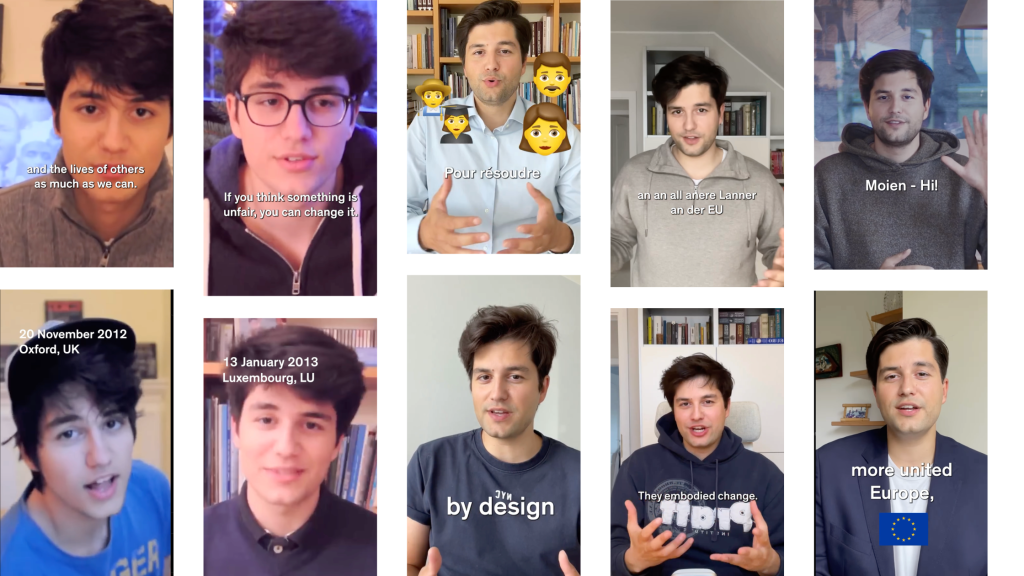
    For the past 12 years, I’ve been on a journey fuelled by a passion for civil rights, political engagement, and a deep connection to my Luxembourg, and our European identity.

    Back in 2012, I started this journey by writing political essays and creating videos about politics and current affairs. It was a modest start, but every word written and every frame captured carried the weight of a profound belief in the power of change.

    The road ahead may be challenging, but I am committed to being the change I want to see in the world, and I invite you to join me on this journey.

    This commitment is not a solitary endeavor; it’s a collective effort that requires the participation of each individual. Together, we can be the catalysts for the change we seek.

    I call upon all of you, urging you to believe that our collective efforts can make a difference. It’s time for Luxembourg to speak with one voice, united in its fullness – a voice that encompasses every member of our diverse society.

    Let’s embrace the conviction that change is possible and shape a narrative that includes all of us, a narrative that celebrates democracy

    The journey continues, and I invite you to be a part of it.

  • End of Year Message – 2023

    End of Year Message – 2023

    As I sit down to reflect on the tumultuous journey that was 2023, the words that echo in my mind are: disconnected, divisive, challenging.

    2023 showed us a world disconnected from reality, and a digital world where billionaires privately govern our public spaces, with little oversight.

    The world faced the harsh reality of climate change, with 2023 marking the warmest year on record. Fires ravaged Canada, floods swept through the DRC, and Greece witnessed a catastrophic wildfire, consuming an area larger than Luxembourg in less than a week. It’s a wake-up call, a reminder of our fragile existence.

    Amidst all this, socially and politically, we’re navigating rough waters. The United States braces for its most divisive election, and distrust in politics reverberates globally. Deadly disasters in Turkey and Syria, ongoing wars in Europe and the Middle East – the world is in turmoil.

    And here we are, 160 days away from EU-wide elections, without a clear message of unity. It’s disheartening, and yet, hope lingers.

    As we step into 2024, I see challenges ahead. Corruption, war, and pain persist. It’s easy to succumb to despair, but my heart, and I believe yours too, is in the right place and our determination can be a catalyst for change.

    In 2024, let’s work together. Let’s compromise, come closer, and fight for humanity.

    I won’t pretend it’s easy. Constructive change requires patience and consistency.

    2023 might not have filled us with hope, but in 2024, let’s be agents of change.

    Let’s draw inspiration from the triumphs of last year, from those who fight fires, respond to emergencies, oppose injustices, and call for peace.

    The road is not straight, but as long as we strive towards progress, we contribute to the greater good. Hope might seem elusive, but it’s within our grasp.

    Let’s make 2024 a year of unity, action, and hope.

    Christos

  • Barack Obama’s Vision for an Inclusive Future and the future of Capitalism

    Barack Obama’s Vision for an Inclusive Future and the future of Capitalism

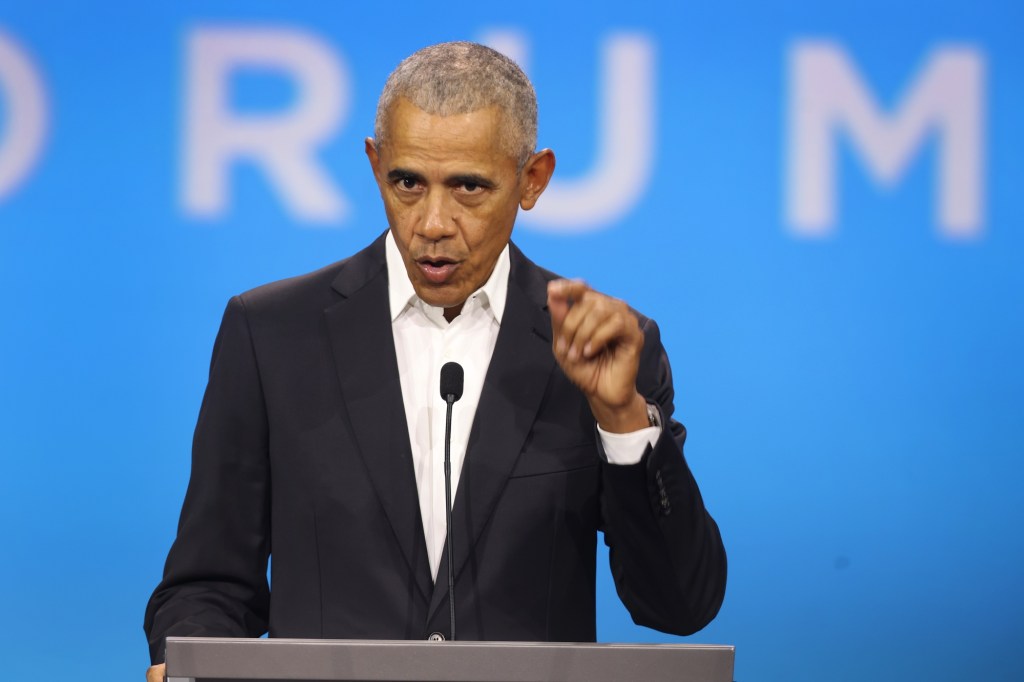
    In a recent thought-provoking speech, former US President Barack Obama offered a compelling perspective on reframing the economic debate.

    Obama delved into economic history, acknowledging capitalism as the unparalleled generator of wealth and innovation. While recognising its historical successes, he pointed out the shortcomings, emphasising that wealth generation doesn’t automatically equate to a just society. He also reminded us of capitalism’s historical compatibility with slavery, exploitation, and environmental degradation.

    The former president acknowledged the role of reformers, organizers, and visionaries in tempering capitalism’s excesses, particularly in the aftermath of the Great Depression and World War II. He underscored the importance of democratic governments in moderating capitalism, highlighting investments in education, social safety nets (of which we should be very proud of here in Europe, and continue maintaining), and regulations to maintain economic balance.

    Obama astutely analyzed the unraveling of the post-Cold War consensus, attributing it to globalization, automation, and the internet. Obama also noted how China and Russia demonstrated that capitalism can thrive under authoritarian regimes as well. He skillfully connected the 2008 financial crisis and the more recent pandemic to the vulnerabilities of a globally connected world, showcasing the interdependence of economies.

    Addressing the concerns of the younger generation, Obama recognized the growing doubts about achieving or surpassing previous living standards. He engaged with the argument that capitalism’s emphasis on growth and consumption, particularly in the face of climate change, might be problematic. Yet, he balanced this by asserting the continued importance of growth and productivity, to uplift billions more out of poverty, urging progressives not to ignore these fundamental economic principles.

    Obama called for a collective effort to align economic policies with our deepest values, echoing the sentiment that economic choices profoundly impact the fabric of our lives. He challenges all of us, who are interested in the commons, to be the new heroes who strengthen the bonds of trust and shape an economic and democratic system that aligns with our shared values and principles.

    Watch the speech: https://www.youtube.com/watch?app=desktop&v=gbog2qF5x-A

    Watch my selected 10 min highlights on Instagram: https://www.instagram.com/p/Cz_DioxI62W/

  • Renew Europe’s EU Reform Vision

    Renew Europe’s EU Reform Vision

    The European Union is at a critical juncture, seeking to evolve its governance structure and further its capacity for unified action. Amidst this discussion, our country’s role as an EU capital looms large, not just geographically but symbolically—a meeting ground of diverse cultures and a linchpin for European unity.

    The proposed reforms, advocated by Renew Europe, present a bold vision for a more robust European Union. They prioritize enhancing European democracy, amending Article 7, and extending competences to propel the EU towards increased effectiveness and adaptability.

    While I support the reforms, I respectfully dissent on the proposal to rename the Commission as the ‘Executive’. Preserving the name ‘Commission’ maintains a sense of familiarity and continuity, crucial for the EU’s relationship with its citizens. Changing it might inadvertently detach the Commission from the recognition it has garnered.

    What’s being proposed?

    • European Democracy Enhancement
    • Amend Article 7 for better protection of common values.
    • Remove unanimity requirement.
    • Set clear deadlines for Council action.
    • Grant European Court of Justice authority in violations.
    • Introduction of EU Referendum
    • Aim to involve citizens in critical EU decisions.
    • Empowerment of European Parliament
    • Grant right of initiative for the Parliament to propose legislation.
    • New Competences
    • Establishment of Defense Union and Energy Union.
    • Exclusive competences in environment, biodiversity, and climate change agreements.
    • Shared competences in public health, civil protection, industry, and education.
    • EU Institution Reforms
    • Elimination of unanimity rule in the Council.
    • Introduction of a new Qualified Majority Vote system.
    • Proposal to restructure the Commission to an ‘Executive’ with 15 members, with the President appointed by the Parliament and confirmed by the Council.