Tag: Christos Floros 2024

  • Renew Europe’s EU Reform Vision

    Renew Europe’s EU Reform Vision

    The European Union is at a critical juncture, seeking to evolve its governance structure and further its capacity for unified action. Amidst this discussion, our country’s role as an EU capital looms large, not just geographically but symbolically—a meeting ground of diverse cultures and a linchpin for European unity.

    The proposed reforms, advocated by Renew Europe, present a bold vision for a more robust European Union. They prioritize enhancing European democracy, amending Article 7, and extending competences to propel the EU towards increased effectiveness and adaptability.

    While I support the reforms, I respectfully dissent on the proposal to rename the Commission as the ‘Executive’. Preserving the name ‘Commission’ maintains a sense of familiarity and continuity, crucial for the EU’s relationship with its citizens. Changing it might inadvertently detach the Commission from the recognition it has garnered.

    What’s being proposed?

    • European Democracy Enhancement
    • Amend Article 7 for better protection of common values.
    • Remove unanimity requirement.
    • Set clear deadlines for Council action.
    • Grant European Court of Justice authority in violations.
    • Introduction of EU Referendum
    • Aim to involve citizens in critical EU decisions.
    • Empowerment of European Parliament
    • Grant right of initiative for the Parliament to propose legislation.
    • New Competences
    • Establishment of Defense Union and Energy Union.
    • Exclusive competences in environment, biodiversity, and climate change agreements.
    • Shared competences in public health, civil protection, industry, and education.
    • EU Institution Reforms
    • Elimination of unanimity rule in the Council.
    • Introduction of a new Qualified Majority Vote system.
    • Proposal to restructure the Commission to an ‘Executive’ with 15 members, with the President appointed by the Parliament and confirmed by the Council.
  • More Democracy for Young People

    More Democracy for Young People

    As someone deeply rooted in the fabric of European culture and governance, the initiative of MOREin24 Luxembourg strikes a resounding chord within me.

    Growing up surrounded by the intricate workings of European institutions, having had the privilege of witnessing the functioning of the EU from a very young age, I am elated to share my experience and support this groundbreaking effort aimed at encouraging wider participation in the forthcoming EU Elections of 2024 from young people across Luxembourg.

    The event on November 15th, at Melia Luxembourg, organised in collaboration with Change for Luxembourg, promises to be connect young changemakers. Short, inspiring talks in under 15 minutes will be coupled with invaluable insights, fostering an environment conducive to exchanging ideas and perspectives among attendees.

    MOREin24 Luxembourg represents a movement dedicated to bridging the gap between Luxembourg’s youth and critical topics such as youth engagement, voter participation, and the European Union.

    Supported by the European Parliament and spearheaded by the European Youth Card Association (EYCA), the initiative aims to evoke a tidal wave of change, instigating a call to action among young citizens and residents. It strives to embolden them to embrace their inherent right to engage in the democratic process.

    The heart of MOREin24 Luxembourg lies in its mission to ensure that the voice of every member of society resonates in the upcoming EU Elections in Luxembourg.

    This launch marks a pivotal moment in empowering our diverse communities in Luxembourg to drive change.

    I invite you to join us in championing active engagement in the EU Elections 2024. Let us collectively ensure that every voice is heard and every citizen feels empowered to shape the destiny of our shared European landscape.

    Together, we can ignite a movement that reverberates far beyond the ballot box, propelling change and progress across our continent.

  • Europe’s Shift to Renewables & Energy Independence

    Europe’s Shift to Renewables & Energy Independence

    The drive towards renewable energy sources is not just a climate imperative but also a strategic move for Europe’s energy independence. The transition to renewables is pivotal in liberating Europe from traditional energy dependencies and securing its self-reliance in the energy sector. This shift marks a crucial step towards reshaping the continent’s energy landscape, bolstering its autonomy, and ensuring a more stable, sustainable future.

    Embracing sustainable energy options enables Europe to balance the climate crisis and curtail its dependence on non-renewable fossil fuels, minimizing vulnerability to fluctuating global energy markets and geopolitical tensions. The abundance and predictability of these renewable sources offer Europe a path towards greater energy autonomy and environmental resilience.

    Solar energy, with its vast potential and accessibility across Europe, stands as a key in this shift towards independence. The harnessing of solar power not only mitigates the environmental impact but also decentralizes energy production, empowering communities and nations to generate their electricity. This transition fosters a more self-reliant energy infrastructure, reducing Europe’s susceptibility to disruptions in the global energy supply chain.

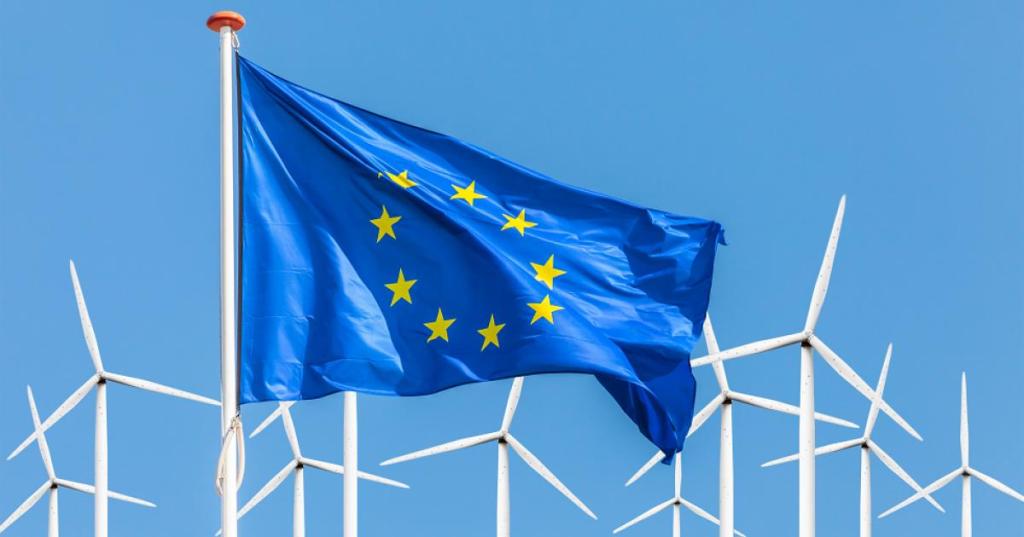
    Wind energy, is another significant component of Europe’s journey towards energy independence, and continues to offer immense promise. Its harnessing across the continent’s coastal and open spaces provides a diversified energy portfolio, lessening dependence on imported energy. Wind power’s fairly consistent availability and technological advancements can drive Europe closer to self-sufficiency, contributing to a more secure and stable energy future.

    Hydro power, a proven, and reliable renewable energy source, further underlines Europe’s quest for autonomy. Investment in innovative hydroelectric technologies amplifies Europe’s energy independence, and can help ensure a more self-reliant power supply.

    This strategic shift towards renewable energy is further amplified by the imperative to bolster energy efficiency measures. Enhancing efficiency across industries and buildings is pivotal in reducing energy waste, optimizing consumption, and ensuring Europe’s energy self-sufficiency. By investing in energy-efficient technologies and sustainable practices, Europe should and will fortifiy its energy independence, reduce reliance on external energy sources and fortify its energy resilience.

    For a self-sufficient, stable, and sustainable energy future for Europe.

  • And the Case for EU Defense?

    And the Case for EU Defense?

    As we look back at the tumultuous events of the past two decades, it’s impossible to ignore the seismic shifts in global geopolitics. Georgia, Syria, Ukraine, Israel: all these recent and current conflicts serve as stark reminders that our world order is fraying at the seams.

    The violations of longstanding norms of international law by a permanent member of the UN Security Council have released a Pandora’s box of warlike tendencies. War is no longer mostly confined to history books; it is reemerging as the ultimate arbiter, underlining the law of force as the new rule.

    This growing instability isn’t merely a distant menace but is inexorably creeping towards Europe. The pressing question now is whether the EU can muster the strength needed to make its diplomatic efforts truly effective, and work towards European Defense.

    The European Union must now grapple with the reality of power. This means crafting mechanisms within its member states to ensure the integrity of our political model, safeguard our interests, and support our allies.

    To gain the respect of increasingly emboldened global actors, Europe cannot shy away from the military dimension. The need for a strong defense is evident. We’ve got to aspire to be more self-reliant.

    At the moment, we seek reassurance in grand alliances and issue calls for restraint to international actors who are boldly disregarding them. The challenge before us is clear: will Europe seize the moment to secure its future in a rapidly evolving world?

  • Why We Should Care About the European Elections

    Why We Should Care About the European Elections

    The European Parliament and the Need for Renewal

    In the labyrinth of European politics, Luxembourg, and its role in the European Union (EU) is anything but minor. It’s here, in the European Parliament, that Luxembourg’s influence and the quality of its representation truly matter, especially during these tumultuous times.

    The European Parliament may not have the immediate glamour of, say, the European Commission, but it’s the beating heart of the EU’s democratic soul. While the European Commission might be the executive branch of the EU, the Parliament is where the people’s voices come to life. Every five years, during the European elections, citizens across the EU cast their votes to elect Members of the European Parliament (MEPs), and Luxembourg dispatches six MEPs to join the assembly.

    The European Parliament carries a trifecta of crucial roles: legislation, oversight, and representation. It is the keystone of the EU’s decision-making, contributing to legislation that can affect the lives of millions, overseeing the activities of other EU institutions, and representing the myriad voices that echo within the EU’s diverse boundaries.

    Luxembourg’s role in the EU is not just symbolic; it’s pivotal. The policies and regulations devised within the hallowed halls of the European Parliament cast long shadows on our everyday lives. Whether it’s trade, environmental protections, workers’ rights, or consumer safeguards, the Parliament has a direct hand in crafting the rules that shape our existence. For Luxembourg, whose economic well-being is closely entwined with international trade and finance, decisions concerning the single market, financial regulations, and cross-border transactions are of existential importance.

    Moreover, the Parliament steers the course on environmental and climate policies, a topic that reverberates deeply within Luxembourg, as we are a country committed to sustainability and a key player in the EU’s climate ambitions. The European Parliament basically wields a substantial influence on the issues that matter most to us.

    Luxembourg, harbors an unshakeable allegiance to the European project. This allegiance goes beyond the economic calculus; it’s rooted in the belief that unity, cooperation, and shared values are the bedrock of European integration. Amidst the cacophony of nationalistic fervor that’s swept the continent, Luxembourg serves as a stalwart advocate for further European integration.

    Our multicultural country with its multilingual reality epitomises the diversity and openness the EU stands for. It’s a symbol of unity and cooperation, where different cultures and languages harmoniously coexist. This very spirit is what the EU was designed to foster, and Luxembourg is living proof of its success.

    Next year, I hope with more EU residents than ever before registering to vote, we can begin to represent this success and reality at the Parliament. In these turbulent times for Europe, where geopolitical storms, economic uncertainties, migration, and climate change loom large, Luxembourg’s role in the European Parliament becomes all the more critical. It’s imperative that we send representatives who are not only competent but also ardently committed to the cause of a united Europe.

    We must be champions of dialogue, master negotiators, and adept at building alliances to resolve the pressing issues that affect all of us. Navigating the labyrinth of EU decision-making is an art, and our MEPs must be the maestros.

    But it doesn’t stop at competence. Our representatives should harbor an unyielding passion for addressing Luxembourg’s unique challenges. With its compact size and prominence as a financial hub, Luxembourg needs MEPs who can passionately advocate for our specific interests while aligning with the broader European vision.

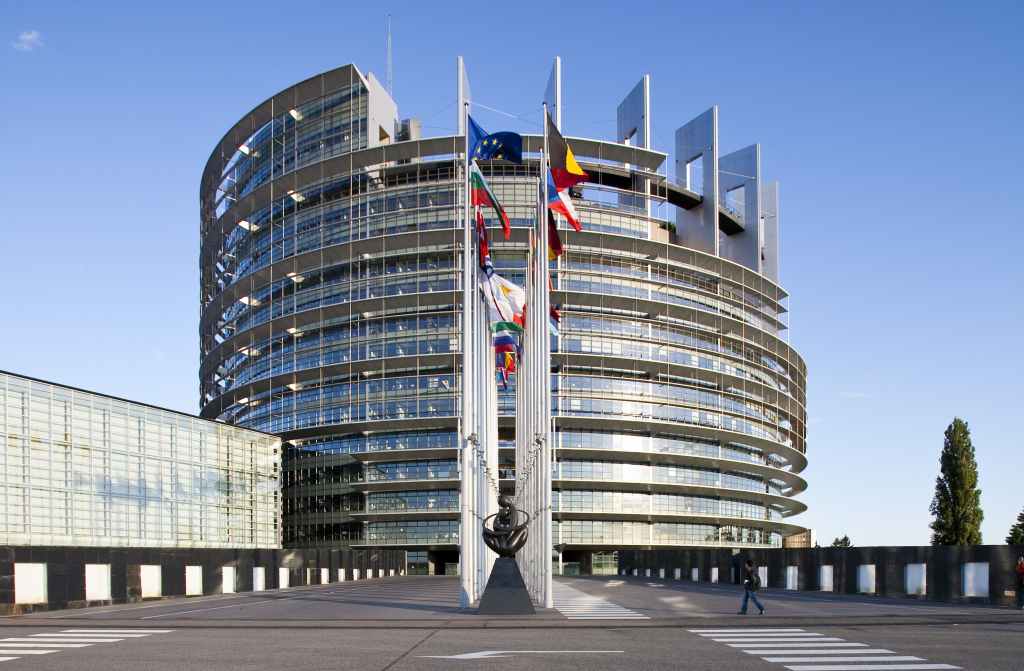
    Luxembourg’s voice may be modest in volume, but it should resonate with resounding expertise and conviction within the European Parliament both in Strasbourg, and Brussels.