Tag: FLOROS 2024

  • Europe’s Shift to Renewables & Energy Independence

    Europe’s Shift to Renewables & Energy Independence

    The drive towards renewable energy sources is not just a climate imperative but also a strategic move for Europe’s energy independence. The transition to renewables is pivotal in liberating Europe from traditional energy dependencies and securing its self-reliance in the energy sector. This shift marks a crucial step towards reshaping the continent’s energy landscape, bolstering its autonomy, and ensuring a more stable, sustainable future.

    Embracing sustainable energy options enables Europe to balance the climate crisis and curtail its dependence on non-renewable fossil fuels, minimizing vulnerability to fluctuating global energy markets and geopolitical tensions. The abundance and predictability of these renewable sources offer Europe a path towards greater energy autonomy and environmental resilience.

    Solar energy, with its vast potential and accessibility across Europe, stands as a key in this shift towards independence. The harnessing of solar power not only mitigates the environmental impact but also decentralizes energy production, empowering communities and nations to generate their electricity. This transition fosters a more self-reliant energy infrastructure, reducing Europe’s susceptibility to disruptions in the global energy supply chain.

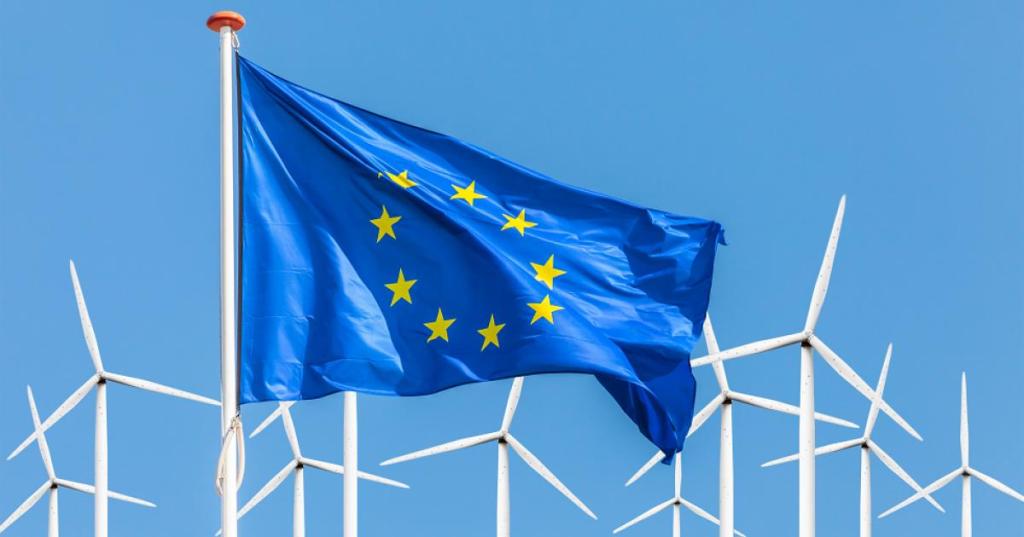
    Wind energy, is another significant component of Europe’s journey towards energy independence, and continues to offer immense promise. Its harnessing across the continent’s coastal and open spaces provides a diversified energy portfolio, lessening dependence on imported energy. Wind power’s fairly consistent availability and technological advancements can drive Europe closer to self-sufficiency, contributing to a more secure and stable energy future.

    Hydro power, a proven, and reliable renewable energy source, further underlines Europe’s quest for autonomy. Investment in innovative hydroelectric technologies amplifies Europe’s energy independence, and can help ensure a more self-reliant power supply.

    This strategic shift towards renewable energy is further amplified by the imperative to bolster energy efficiency measures. Enhancing efficiency across industries and buildings is pivotal in reducing energy waste, optimizing consumption, and ensuring Europe’s energy self-sufficiency. By investing in energy-efficient technologies and sustainable practices, Europe should and will fortifiy its energy independence, reduce reliance on external energy sources and fortify its energy resilience.

    For a self-sufficient, stable, and sustainable energy future for Europe.

  • A New Era for Politics: Starting from the Grassroots

    A New Era for Politics: Starting from the Grassroots

    Society should never be taken for granted. Across Europe, citizens are growing increasingly discontented, rejecting passivity, and demanding more from their leaders.

    The time has come for a transformation in European politics, one that begins at the grassroots level. The traditional “funnel” approach of party politics, which often rewards long-time members while neglecting society, needs a profound overhaul. This need for change is not unique to any one country; even in Luxembourg, similar concerns resonate.

    Arrogance in politics has become a significant concern for the public. Politicians who fail to listen to their constituents and prioritize their own egos over the needs of the people are being met with growing resistance. The electorate is no longer willing to tolerate the politics-as-usual approach that often reeked of complacency and entitlement.

    A notable shift is underway in the realm of European politics. The old routine has been disrupted over the past decade, signaling a need for new inspiration. Citizens are growing more engaged and interested in politics, seeking genuine change and accountability from their leaders. This surge in political interest is a reflection of society’s evolving values and expectations.

    To bridge the growing gap between traditional party politics and the changing society they aim to serve, a fundamental shift is necessary. Parties must adapt to these new realities and create an inclusive political environment. The parties themselves must become platforms for fresh voices and ideas.

    European politics, starting at the grassroots level, must embrace change. Parties need to facilitate increased citizen participation and actively seek out diverse perspectives. Society should never be taken for granted, and the political landscape must evolve to reflect the aspirations and demands of the people.

    In Luxembourg, as in other European nations, the call for change is echoing louder with each election. The time has come for a politics that is more responsive, inclusive, and humble. To restore trust and relevance in the eyes of the public, parties must adapt and recognize that the real power lies with the people.

    A new era of European politics is on the horizon, and it begins with a change in mindset at the grassroots level.

  • Why We Should Care About the European Elections

    Why We Should Care About the European Elections

    The European Parliament and the Need for Renewal

    In the labyrinth of European politics, Luxembourg, and its role in the European Union (EU) is anything but minor. It’s here, in the European Parliament, that Luxembourg’s influence and the quality of its representation truly matter, especially during these tumultuous times.

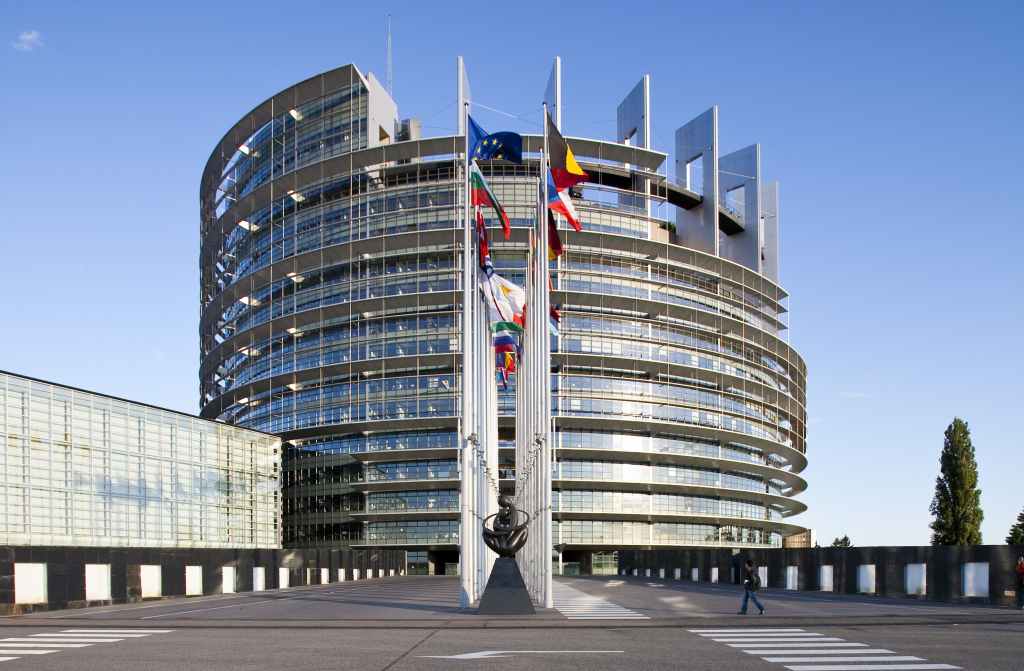
    The European Parliament may not have the immediate glamour of, say, the European Commission, but it’s the beating heart of the EU’s democratic soul. While the European Commission might be the executive branch of the EU, the Parliament is where the people’s voices come to life. Every five years, during the European elections, citizens across the EU cast their votes to elect Members of the European Parliament (MEPs), and Luxembourg dispatches six MEPs to join the assembly.

    The European Parliament carries a trifecta of crucial roles: legislation, oversight, and representation. It is the keystone of the EU’s decision-making, contributing to legislation that can affect the lives of millions, overseeing the activities of other EU institutions, and representing the myriad voices that echo within the EU’s diverse boundaries.

    Luxembourg’s role in the EU is not just symbolic; it’s pivotal. The policies and regulations devised within the hallowed halls of the European Parliament cast long shadows on our everyday lives. Whether it’s trade, environmental protections, workers’ rights, or consumer safeguards, the Parliament has a direct hand in crafting the rules that shape our existence. For Luxembourg, whose economic well-being is closely entwined with international trade and finance, decisions concerning the single market, financial regulations, and cross-border transactions are of existential importance.

    Moreover, the Parliament steers the course on environmental and climate policies, a topic that reverberates deeply within Luxembourg, as we are a country committed to sustainability and a key player in the EU’s climate ambitions. The European Parliament basically wields a substantial influence on the issues that matter most to us.

    Luxembourg, harbors an unshakeable allegiance to the European project. This allegiance goes beyond the economic calculus; it’s rooted in the belief that unity, cooperation, and shared values are the bedrock of European integration. Amidst the cacophony of nationalistic fervor that’s swept the continent, Luxembourg serves as a stalwart advocate for further European integration.

    Our multicultural country with its multilingual reality epitomises the diversity and openness the EU stands for. It’s a symbol of unity and cooperation, where different cultures and languages harmoniously coexist. This very spirit is what the EU was designed to foster, and Luxembourg is living proof of its success.

    Next year, I hope with more EU residents than ever before registering to vote, we can begin to represent this success and reality at the Parliament. In these turbulent times for Europe, where geopolitical storms, economic uncertainties, migration, and climate change loom large, Luxembourg’s role in the European Parliament becomes all the more critical. It’s imperative that we send representatives who are not only competent but also ardently committed to the cause of a united Europe.

    We must be champions of dialogue, master negotiators, and adept at building alliances to resolve the pressing issues that affect all of us. Navigating the labyrinth of EU decision-making is an art, and our MEPs must be the maestros.

    But it doesn’t stop at competence. Our representatives should harbor an unyielding passion for addressing Luxembourg’s unique challenges. With its compact size and prominence as a financial hub, Luxembourg needs MEPs who can passionately advocate for our specific interests while aligning with the broader European vision.

    Luxembourg’s voice may be modest in volume, but it should resonate with resounding expertise and conviction within the European Parliament both in Strasbourg, and Brussels.