Water Management and Addressing the Climate Crisis
The first time I remember learning about water conflict was in a high school geography class. It was there that I began to understand the complexities of global warming, environmental change, and how a climate crisis would affect not only humanity but also the ecosystems that sustain us. Mr Whales, our GCSE Geography teacher explained to us how water scarcity could spark conflicts, disrupt societies, and devastate natural habitats. This early lesson planted for me the seeds of awareness about the interconnectedness of our world and the critical importance of water.
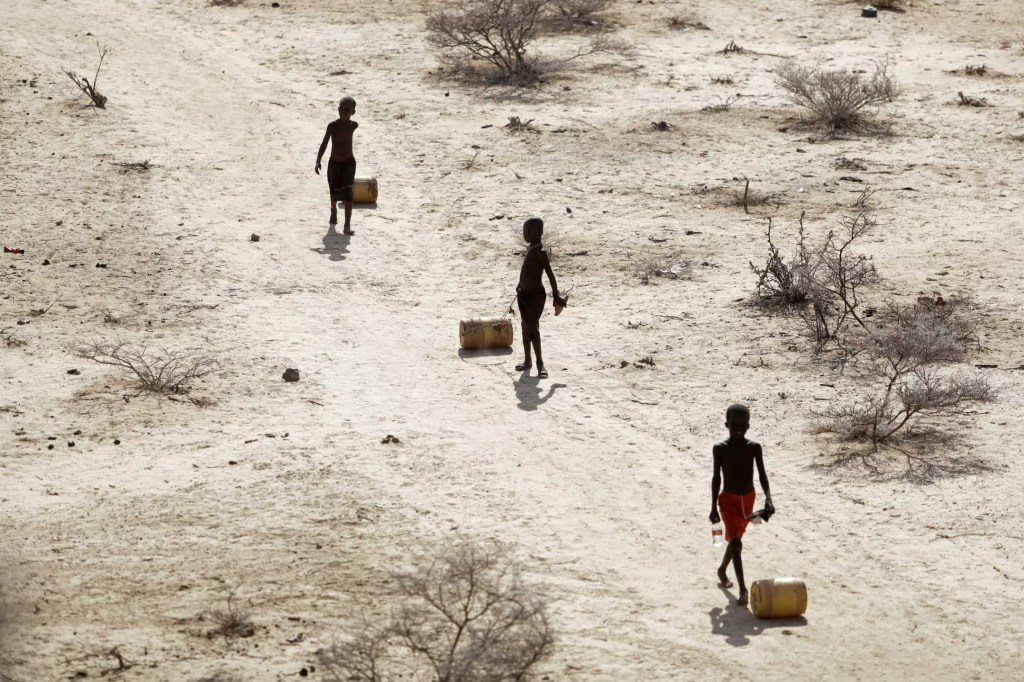
As our planet heats up and the global population approaches 8 billion, the challenge of water scarcity grows ever more urgent. Water-related conflicts have surged by 2.4 times from 2014 to 2023 (according to the Pacific Institute), with Asia and Africa being the most affected. These conflicts underscore a harsh reality: water, once taken for granted, is now a precious and contested resource.
In this context, Europe stands at a pivotal moment. The EU has the technological expertise, policy influence, and moral responsibility to lead the world in water management. By championing sustainable and equitable growth, the EU can set a global standard. This involves not only advancing water-efficient technologies and sustainable agricultural practices but also ensuring that water access is equitable, particularly in regions prone to conflict.
To manage our water resources effectively, we need a profound shift in our worldview. Water must be seen not as a commodity to be hoarded, but as a shared resource that requires collective stewardship. The EU can play a critical role in fostering this shift, promoting international cooperation and setting examples through its policies and practices.
I believe Europeans are capable of driving this change. By adopting a conservative approach to water management, we can ensure that future generations inherit a stable and sustainable world. This requires immediate action, we are already decades late, to conserving water, managing it wisely, and working together across borders.
If we continue on our current path without adjusting our values and priorities, we may soon realise there is little value in Tesla stock when you can’t feed your populations.


 Christos Floros