Tag: luxembourg elections municipales 2023

  • Luxembourg, the city of 30 year olds

    Luxembourg, the city of 30 year olds

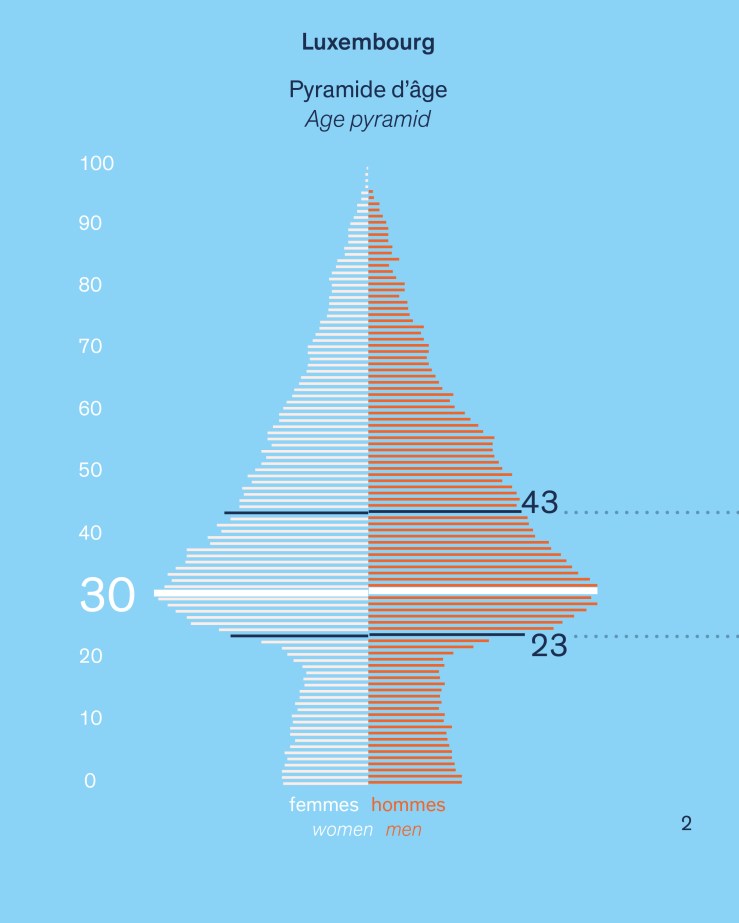
    🇬🇧 + 🇫🇷 Did you know? Luxembourg is a very young city!

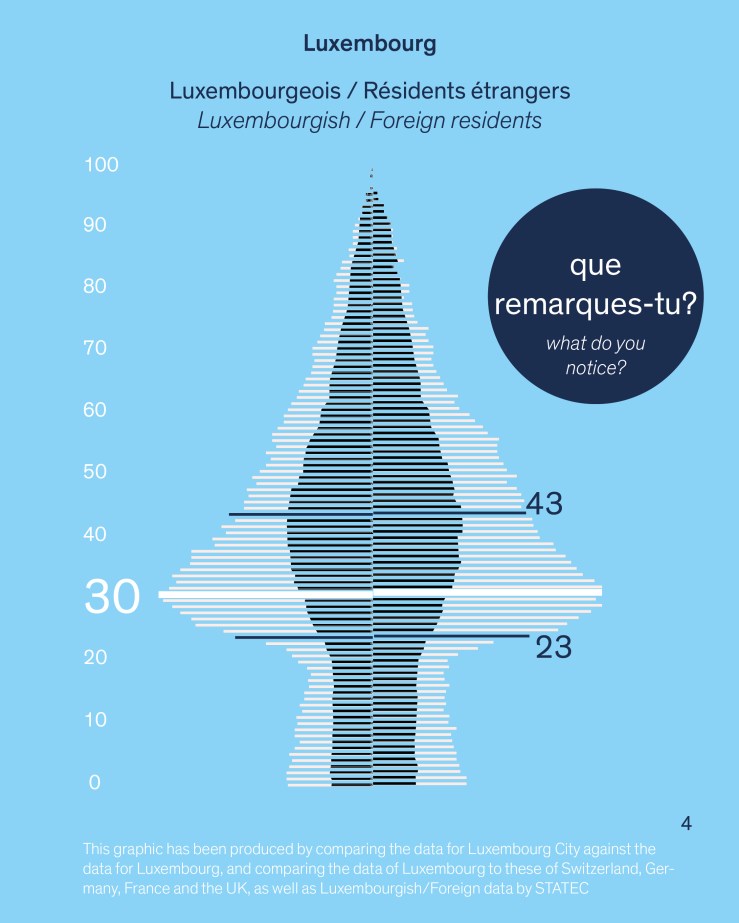
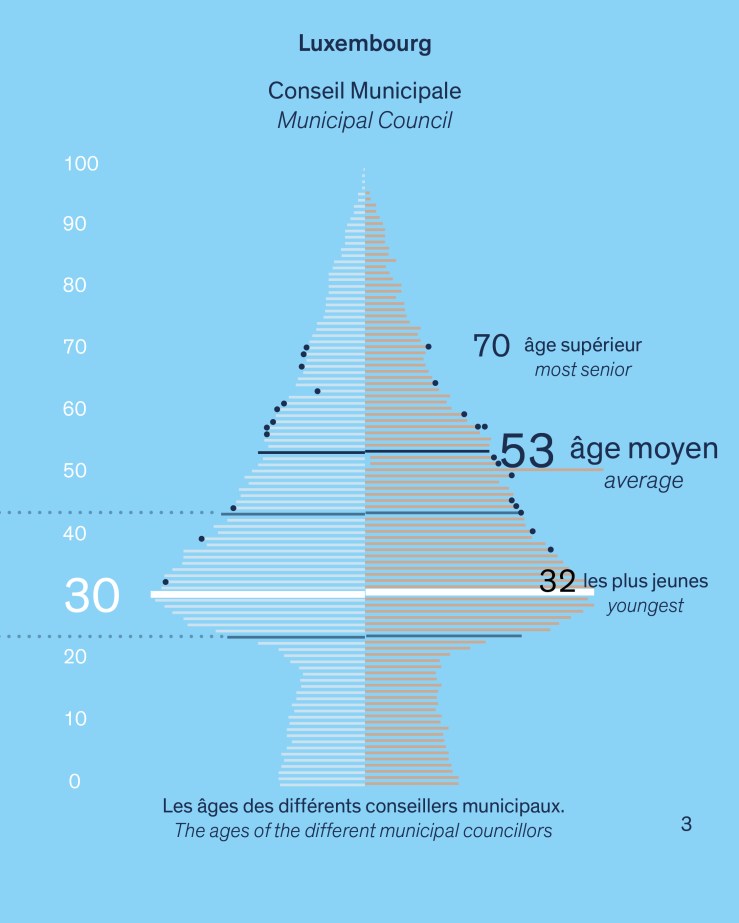
    More people are 30 year olds than any other age, and more people are between the ages of 23 to 43 than any other age.

    What does that mean? Well, if you’re complaining about the dating pool in Luxembourg as a young profesional, maybe try a better bar, but in terms of representation, it means, we have dropped the ball. It means so far, we are not representing what we are, in our political and social dialogue.

    As a society, we need to look ourselves in the mirror, and accept, that what makes us wonderful, is this diversity, is this young talent coming from accross Europe and the world, it is their energy and their work, and therefore we also need to trust that these voices also belong in our social dialogue.

    He who writes this, know what he’s talking about, having grown up an immigrant in Luxembourg, having acquired, patriotically, my Luxembourgish nationality, during the early days of this health crisis, as I was one of the first volunteers, along with many, many foreign-residents in the first lines, and knowing, that this is my home, this is my country I want to contribute to, and I too, deserve to have a voice, in how we shape its future. And so do you.

    A huge thank you to Jana DeGrott for amplifying this article / post on Instagram, by inviting me to collaborate on its sharing.
    En Francais

    ●Le saviez-vous? Luxembourg est une ville très jeune !

    Plus de personnes ont 30 ans que n’importe quel autre âge, et plus de personnes ont entre 23 et 43 ans que n’importe quel autre âge.

    Qu’est-ce que ça veut dire? Eh bien, si vous vous plaignez du ‘dating pool’s au Luxembourg en tant que jeune professionnel, essayez peut-ĂŞtre un meilleur bar, mais en termes de reprĂ©sentation, cela signifie que nous avons laissĂ© tomber la balle. Cela signifie que jusqu’Ă  prĂ©sent, nous ne sommes pas reprĂ©sentĂ©s tels que nous sommes, dans notre dialogue politique et social.

    En tant que sociĂ©tĂ©, nous devons nous regarder dans le miroir et accepter que ce qui nous rend merveilleux, c’est cette diversitĂ©, c’est ce jeune talent venant de toute l’Europe et du monde, c’est leur Ă©nergie et leur travail, et donc nous aussi avons besoin de croire que ces voix ont aussi leur place dans notre dialogue social.

    Celui qui Ă©crit ceci, sait de quoi il parle, ayant grandi immigrĂ© au Luxembourg, ayant acquis, patriotiquement, ma nationalitĂ© luxembourgeoise, durant les premiers jours de cette crise sanitaire, car j’Ă©tais l’un des premiers volontaires, avec beaucoup, de nombreux rĂ©sidents Ă©trangers en première ligne, et sachant que c’est chez moi, c’est mon pays, et moi aussi, je mĂ©rite d’avoir une voix sur la façon dont nous façonnons son avenir. Et toi aussi.

  • The Importance of Participation in a Democracy

    The Importance of Participation in a Democracy

    L’importance de la participation dans une dĂ©mocratie (lire en francais)

    Barack Obama, in his reply to a student in April 2016, said the following (and it stuck with me since):

    On your college campuses, half the folks, maybe two-thirds of the folks who don’t vote don’t vote because they’re just not paying attention.

    They don’t consider it important.

    And they’re not willing to take the 15 minutes or half hour that it takes to make sure that you’re registered and make sure you actually vote.

    Well, if you care about climate change, you care about college costs, you care about career opportunities, you care about war and peace and refugees, you can’t just complain. You’ve got to vote. And what’s interesting is, is young people as a voting bloc are the least likely to vote, but when you do vote, have the biggest impact on elections.

    Barack Obama, April 2016

    This is incredible relevant for Luxembourg too, where only 10% of the foreign population participates in our elections, even though they are eligible and make up 50% of the country and 70% of the city of Luxembourg.

    You can read my article on RTL today on the matter here.

    We need everyone to participate, to help build a cohesive, inclusive and prosperous future for Luxembourg, the city, the country and our European Union.

    If Luxembourg can lead the way, with its multi-cultural, multi-lingual population, then we can inspire the rest of Europe too.

    Video below

    Barack Obama, dans sa rĂ©ponse Ă  un Ă©tudiant en avril 2016, a dĂ©clarĂ© ce qui suit (et cela m’est restĂ© depuis):

    Sur vos campus universitaires, la moitiĂ© des gens, peut-ĂŞtre les deux tiers des gens qui ne votent pas, ne votent pas parce qu’ils ne font tout simplement pas attention.

    Ils ne considèrent pas cela important.

    Et ils ne sont pas disposĂ©s Ă  prendre les 15 minutes ou la demi-heure qu’il faut pour s’assurer que vous ĂŞtes inscrit et que vous votez rĂ©ellement.

    Eh bien, si vous vous souciez du changement climatique, des frais de scolaritĂ©, des opportunitĂ©s de carrière, de la guerre, de la paix et des rĂ©fugiĂ©s, vous ne pouvez pas simplement vous plaindre. Vous devez voter. Et ce qui est intĂ©ressant, c’est que les jeunes en tant que bloc Ă©lectoral sont les moins susceptibles de voter, mais lorsque vous votez, ils ont le plus grand impact sur les Ă©lections.

    Barak Obama, avril 2016


    C’est incroyablement pertinent pour le Luxembourg aussi, oĂą seulement 10% de la population Ă©trangère participe Ă  nos Ă©lections, mĂŞme s’ils sont Ă©ligibles et reprĂ©sentent 50% du pays et 70% de la ville de Luxembourg.

    Vous pouvez lire mon article sur RTL aujourd’hui Ă  ce sujet ici.

    Nous avons besoin que tout le monde participe, pour aider à construire un avenir cohérent, inclusif et prospère pour le Luxembourg, la ville, le pays et notre Union européenne.

    Si le Luxembourg peut ouvrir la voie, avec sa population multiculturelle et multilingue, alors nous pouvons Ă©galement inspirer le reste de l’Europe.